


QR ordering, bill split, smart tips
Guests order, split, tip and pay from their phone. No app. No extra staff.
Turn tables faster without hiring. Guests scan, order and pay from their own phone; the kitchen sees it immediately; the card that paid is the card you recognise next visit.
Filmed on location at Kabuki. The overlay describes the tableside flow set out on this page, not this venue's live data.
The parts of service you cannot automate are the parts worth paying for. Everything else — taking the order, finding a terminal, dividing the bill — is a queue standing between your team and the next table.
Scan
Illustrative simulation. Guest names, order lines and amounts are generated for this page; the sequence and timings mirror Quivi in production.
Splitting is arithmetic performed under social pressure by people who have been drinking. It is the longest and least pleasant moment of the evening, and it happens at every table with more than two people.
One tap. The bill divides by the number of people paying.
Each guest selects what they ordered from their own screen.
Custom proportions when one person is covering more.
Someone pays part of the bill; the balance stays open.
The table settles on a single card, tip included.
Mixed settlement without breaking the ticket.
Covers are not spread evenly and neither is the pressure. The bottleneck is rarely the kitchen — it is the eleven minutes at the end of each table when service has finished but the table is not yet free.
Turning tables faster at peak is the only way to add covers without adding tables, staff or hours.
The average venue runs a POS, a card terminal from someone else, a delivery tablet, a reservations tool and a reporting spreadsheet that reconciles none of them. Quivi is a Paybyrd company, so the till and the payments are one contract and one support number.
 Quivi
Quivi Same engineering team, same support, same contract — no vendor pointing at another vendor when service goes down.
Quivi is Europe's all-in-one POS, payments and AI — built for restaurants. Guests order and pay from their phone. Your kitchen gets the ticket instantly. Your till gets the payment automatically. One contract covers it all, including hardware.
Quivi is part of the Paybyrd group — same engineering team, same support, same contract. No vendor handoff, ever.
No app to install — camera opens the menu instantly.
86'd items hide. Allergens, photos, upsells inline.
Three friends, three Apple Pays, one tap each.
Order goes straight to the kitchen. Folio updates. Table closes itself.
Guests order, split, tip and pay from their phone. No app. No extra staff.
Menu builder, kitchen display, staff management, real-time analytics. Learn in minutes.
"Create a lunch menu with 3 starters, 4 mains, 2 desserts at €15." Quivi does the rest.
24/7 reservation agent. Confirms bookings, slashes no-shows, never sleeps.
Zero commission. Your brand, your customers, your data. Plugs into Glovo, Uber Eats, Bolt Food.
Every paying guest gets a review prompt. Reputation grows on autopilot.
QR ordering at peak hours changed our throughput. We served 40% more customers without hiring more staff.

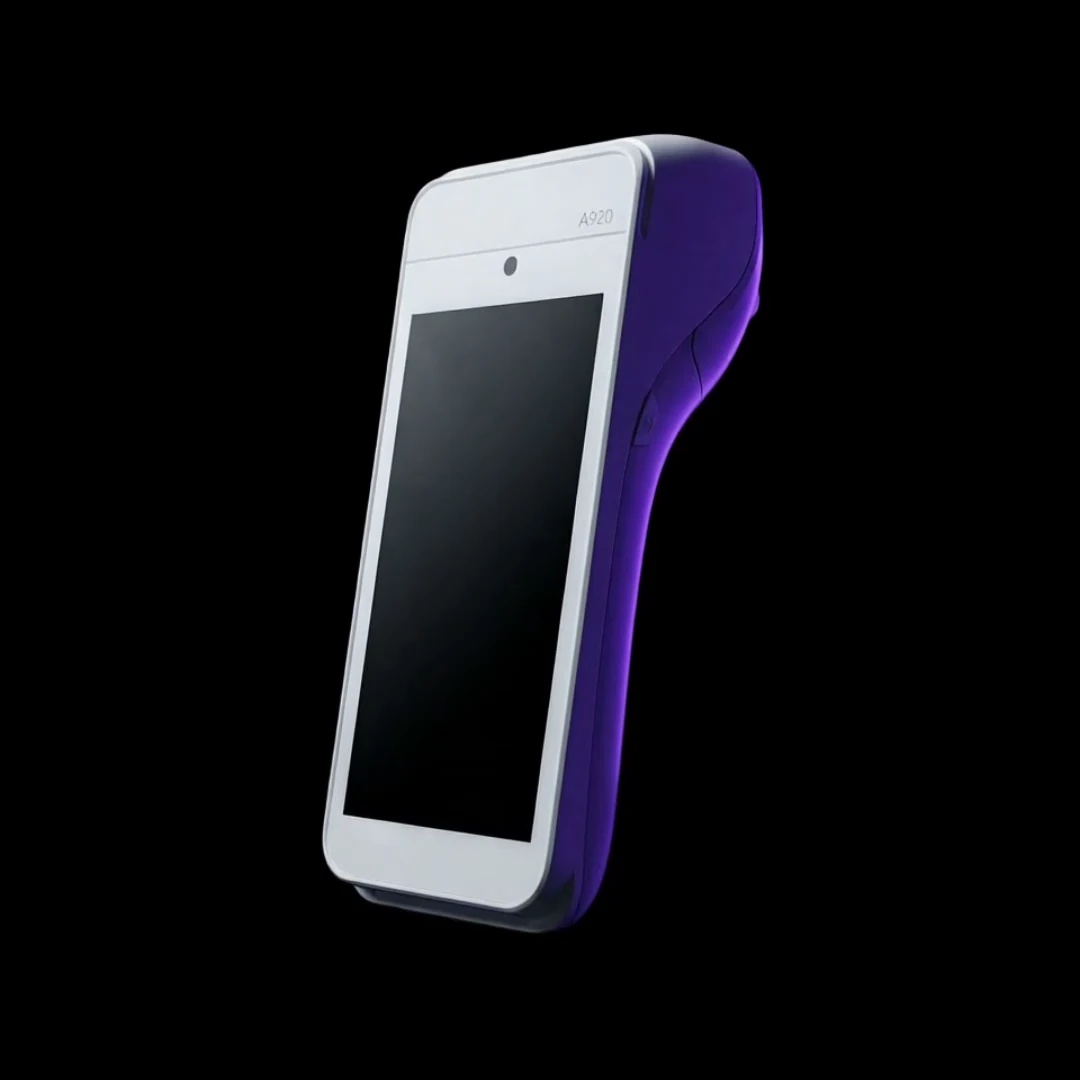
Portable — tableside & poolside
Countertop — front desk & restaurant

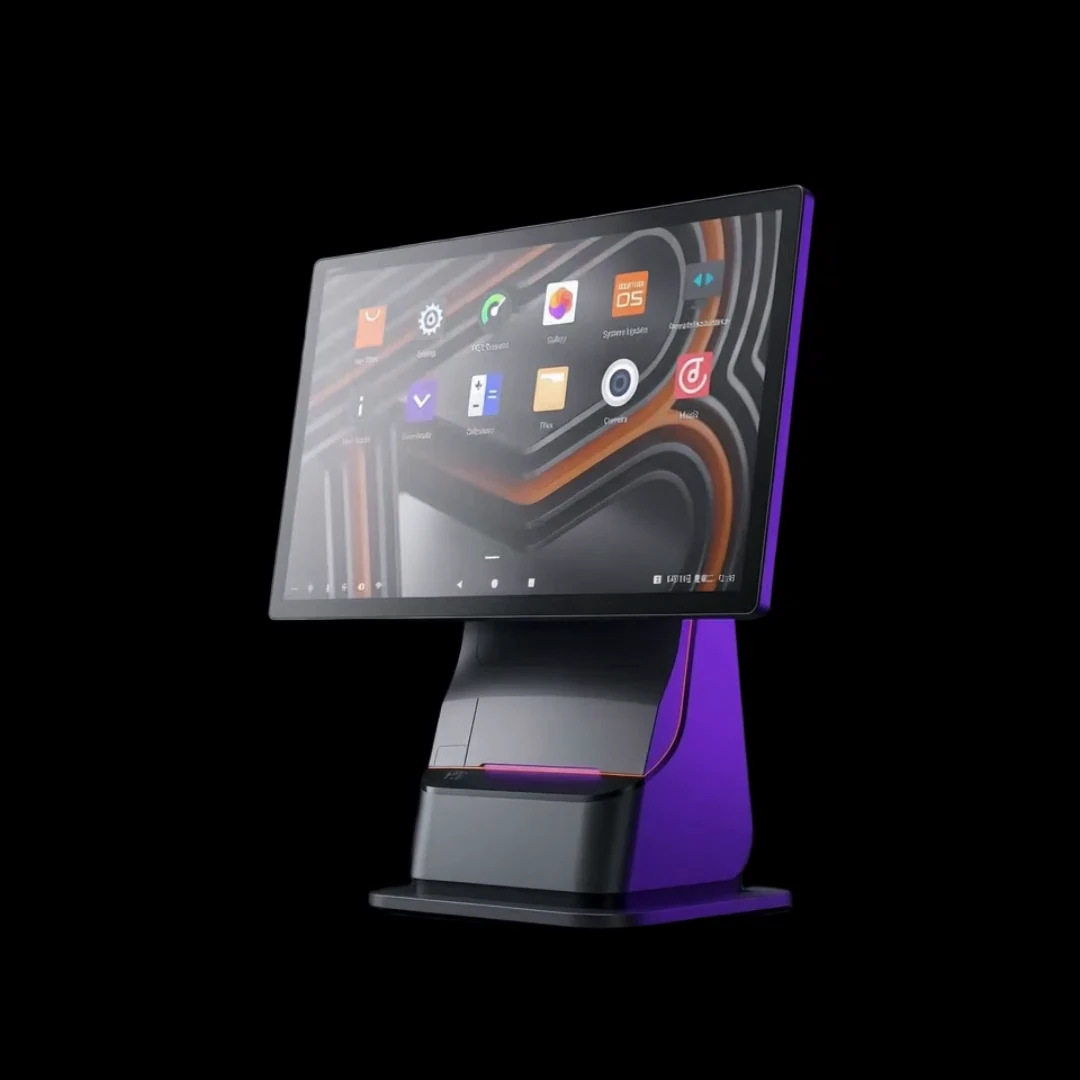
All-in-one — ordering + payment
Self-service — kiosk & unattended
Tableside and counter are different problems. One needs to be carried all night; the other needs a printer, a drawer and a customer-facing screen.
5" HD touch · 9h battery · 4G / Wi-Fi / BT
Tableside · terrace · events
15.6" + 10" customer display · drawer, scale and scanner · PCI 6 SRED
Counter · pass · self-service
The same card that pays is the identifier. A returning guest is recognised at the table and at the counter, across every one of your locations, without anyone being asked to join anything.
Everything before it has been optimised for decades — the kitchen, the menu, the seating plan. Then service stops dead while somebody finds a card machine, walks it to the table, and does arithmetic out loud for six people who are already standing up.
You cannot add covers without adding tables, staff or hours — except at the end of the meal. The twelve minutes between asking for the bill and vacating the table is dead time on a finite asset, repeated every sitting, every night. Compress it and you have added covers to a Friday without hiring anyone or moving a wall.
Every payment that requires a member of staff to walk to the table, wait, and walk back is labour spent on administration rather than service. On a busy night that is not an inconvenience; it is the difference between a section running smoothly and a section running behind. Paying from the guest's own phone takes the whole task out of the rota.
Dividing a bill is arithmetic performed under social pressure by people who have been drinking. It produces the longest, most error-prone and least pleasant moment of the evening — and it is entirely avoidable. When the table splits on their own screens, six ways if they want, the awkwardness disappears and so does the queue at the till.
Loyalty schemes fail because they ask the guest to do something: download, sign up, remember, carry. The card they are already paying with is a stable identifier across every one of your venues. Recognition on the second visit, with no plastic and no app, is the version of loyalty people actually participate in — because participation is not required.
You cannot add tables. You can stop wasting the last twelve minutes of every one.
Quivi is a Paybyrd company — the same engineering team, the same support, the same contract — so the point of sale, the payments and the guest recognition are one system rather than three vendors pointing at each other when service goes down.
No. Ordering and payment open in the phone's browser from a QR code on the table. There is no app to install, no account to create and nothing for the guest to remember on the next visit — which is the reason adoption at the table is high rather than theoretical.
It can do either. Quivi is a full point-of-sale — orders, kitchen display, floor plan, reporting — so most venues run it as their POS. If you already have a POS you are committed to, Paybyrd terminals and pay-at-table work alongside it and the payment side is handled either way.
Terminals keep taking card payments offline and reconcile when the connection returns, so service does not stop because the router did. QR ordering needs the guest's own mobile data or your Wi-Fi; if both are down, staff take the order on a handheld as normal.
Tips are captured at payment and reported separately from revenue, so distribution follows whatever policy you already run — per shift, per section, pooled or individual. The figures are in the same reporting as everything else rather than in a separate app somebody has to reconcile by hand.
Yes. Multiple venues sit under one merchant account with per-venue reporting, per-venue menus and a single settlement. Guest recognition works across all of them, so a regular at one location is known at the next.
We will walk your floor plan, your menu and your service pattern — and show you the flow on the terminals you would actually use.